

The shortlist of the Footnote x Counterpoints Prize 2026 has been announced, with six writers nominated.
The prize for writers from refugee and migrant backgrounds shining a light on today’s most pertinent topics through their dazzling works of fiction, will be awarded in June.
The winner will be selected by a judging panel composed of acclaimed writer Dina Nayeri; Waterstones’ Head of Books Bea Carvalho; Waterstones-Debut-Fiction-Prize-shortlisted and Observer Best New Novelist Gurnaik Johal; Footnote Press Commissioning Editor Serena Arthur; and Director and Co-Founder of Counterpoints Arts Almir Koldzic.
The shortlisted writers will appear at an event at the Southbank Centre on Sunday 31st May, where they will read from their books, and reflect on themes of displacement, belonging, courage and creativity both in the selected works and beyond. The event will be chaired by acclaimed author Colin Grant, and tickets are available to members of the public here.
The 2026 shortlist
When I Bleed it is Like a Squashed Raspberry by Eleanor Chan
When I Bleed it is Like a Squashed Raspberry is a meditation on belonging, on the poetry and potential of amnesia and re-remembering, and the healing power of storytelling for anyone who loves stories that explore themes of belonging, redemption, the diasporic gaze, connection and (non-romantic) love.
Eleanor Chan is a writer, art historian and broadcaster of Chinese-Ugandan descent. She began writing When I Bleed it is Like a Squashed Raspberry, her debut novel, when she was fifteen, as a way of exploring her mixed heritage. It is inspired by her family history, particularly her grandmother, sent from China as a teenager to marry a man she had never met, and of the stories she tells of coming of age in displacement first in Uganda, and then the UK following Idi Amin’s Asian Expulsion. Eleanor holds a BA and PhD from the University of Cambridge, and an MA from the Courtauld Institute of Art. She is a BBC New Generation Thinker and is also the author of Duet: An Artful History of Music and a picture book introduction to art history for 7-9 year olds called Art is Everywhere.
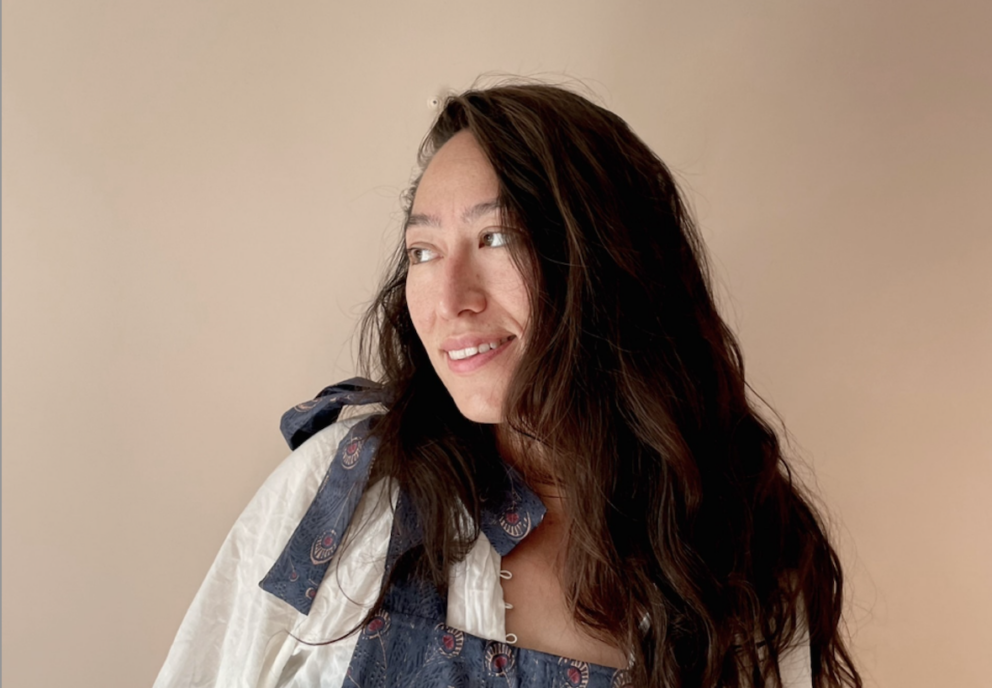
What The Trees Remember by Jose Hall
What The Trees Remember follows a neurodivergent woman of Jamaican and Cornish heritage, searching for the truth about her mysterious grandmother and uncovering fractured histories of migration, otherness and silence as she navigates what it means to belong while inheriting stories that never got to be told.
Jose Hall (they/she) is a mixed British-Jamaican writer and multidisciplinary creative drawn to wild environments and open landscapes. Their work spans poetry, creative nonfiction, fiction, and song, and explores themes of identity, intergenerational memory, nature, journeying, and the experience of being ‘other’. Jose’s writing has appeared in Black Ballad, Psychology Now, The Great Outdoors Magazine, and the anthologies Hidden Sussex (Writing Our Legacy) and Who Are We Now? (ed. Katy Massey), among others. With a background in visual art, music and film, they have performed poetry with live sound and collaborated on interdisciplinary projects. Jose is currently pursuing a Master’s degree in Creative Writing and developing their debut novel, What the Trees Remember, a work of literary fiction with elements of magical realism centred on displacement, otherness, inherited silence, healing and connection with the natural world.
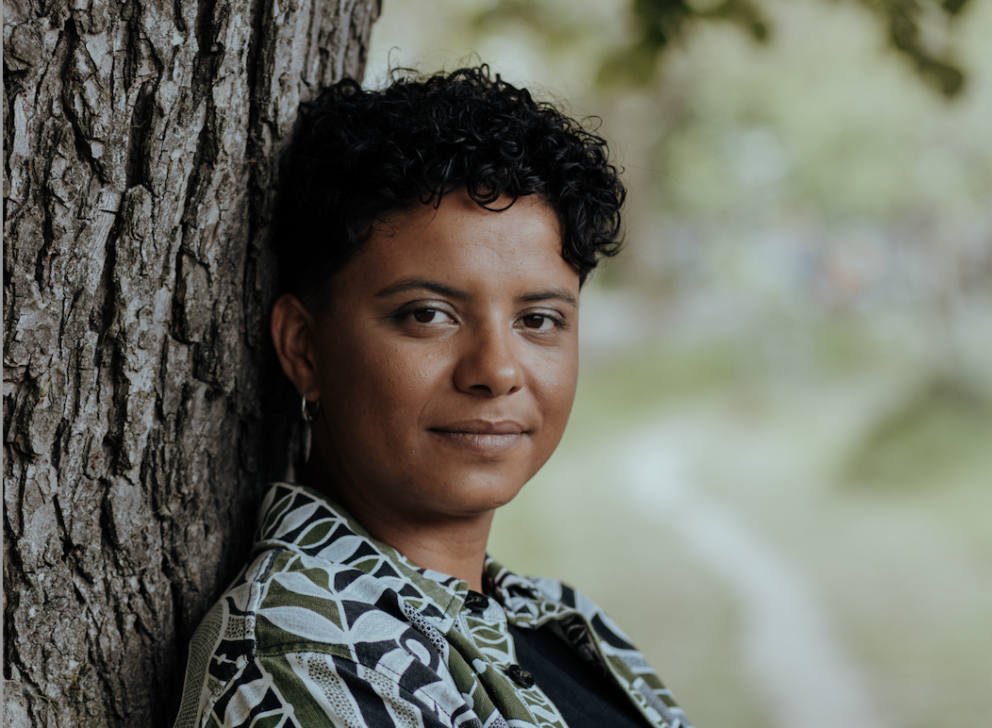
A Thousand Rivers of Time by Erica Li
A Thousand Rivers of Time is a family saga chronicling the lives of three generations of women from a Hakka-Chinese family from 1945 to the present, exploring themes of displacement, identity and memory.
Erica Sze Wa Li is a British-Hong Kong writer and lawyer based in London. Born and raised in Hong Kong, she comes from a family history shaped by displacement, migration and survival. She studied law at the University of Hong Kong and the University of Oxford. Her writing has been recognised across several platforms, having been shortlisted for the Merky Books New Writers’ Prize 2025 and winning the inaugural Ascent Novel Prize 2025. She was also selected for the HarperCollins Author Academy 2025 and the Covert Talent Development Programme 2025/26. She is an alumnus of the six-month Writing a Novel course at Faber Academy. Her novel, A Thousand Rivers of Time, explores migration, family memory and identity across generations, and is a tribute to the resilience and courage of her paternal grandmother.

Backward Into the Future: Her Past Was His Future by Joel Mordi
Backward Into the Future: “Her Past Was His Future” is a literary Afro-folkloric novel in which a trans griot who guards ancestral memory and a gay Nigerian asylum seeker in a contemporary Britain become bound across time, revealing how queer lives, myth, and resistance survive displacement and empire by refusing to be forgotten.
Joel Mordi is a Nigerian writer, poet, essayist and visual storyteller and activist whose work sits at the intersection of migration, queer liberation, and mythmaking. Backward into the Future is his debut novel. One-half of the duo “two refugees walking”, Joel is a global development student at the University of York and the winner and nominee of several global student prizes including the Diana Award, the Diana Legacy Award, and the Liberation in Leadership Award. He founded the Mordi Ibe Foundation (MIF Nigeria) in 2015 and co-founded Minority Inclusion Front (MIF UK) in 2025 which supports asylum seekers and refugees through casework, advocacy, impactful storytelling and lived experience. Joel was also recently elected to run as a councillor in Westminster under the Green party of England and Wales in the May 7th election.

The Weight of Staying by Ahmed Najar
In The Weight of Staying a Palestinian-British narrator reckons with exile, inheritance, and the fragile weight of belonging as he watches his father refuse to leave a home that history is determined to erase, discovering that ghosthood is not in departure but in surviving the loss of place.
Ahmed Najar is a Palestinian-British writer born and raised in Gaza and now based in London. His life has been shaped by displacement — first through inherited exile, and later through migration that placed physical safety at the cost of proximity to family, language, and home. Having left Gaza in early adulthood, he has since lived with the persistent tension of watching events unfold from afar — an experience that informs both his work. Much of his work explores what remains after departure: the psychology of exile, intergenerational memory, and the uneasy space between survival and belonging. His writing frequently examines what it means to remain emotionally tethered to a place that is physically inaccessible, and how displacement reshapes identity across generations. His essays have appeared in international publications and The Weight of Staying blends fictional form with lived experience, tracing a family’s relationship to home across decades of rupture.
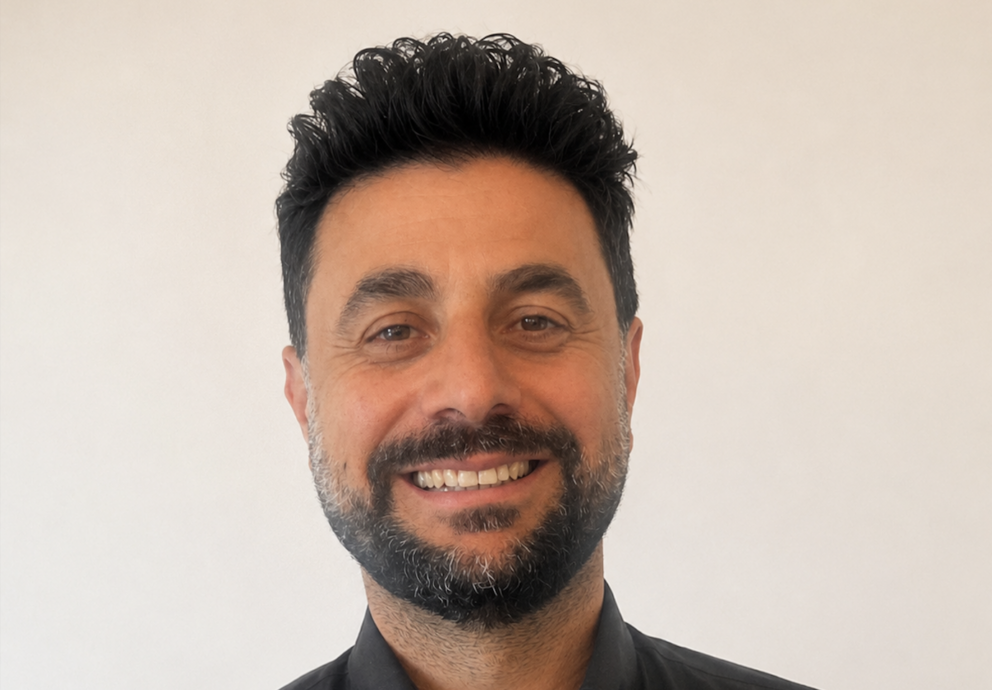
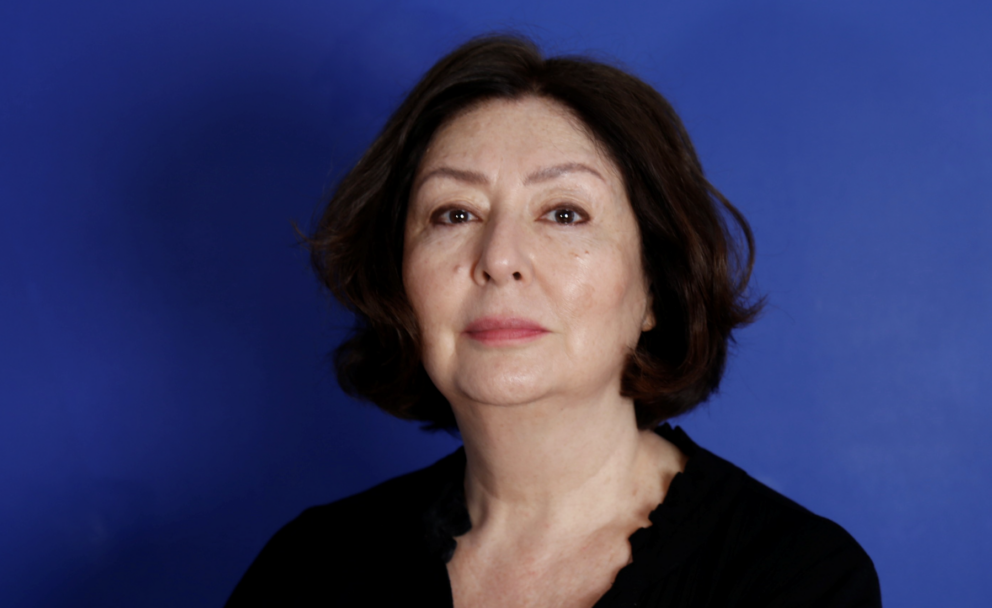
Bird of Dawn by Maryam Namazie
In Bird of Dawn, when a pregnant Iranian refugee is thrown from her dinghy into the Aegean Sea, an ancient folkloric witness gathers the women who shaped her and urges her to fight for the life she carries, even as the sea takes her.
Maryam Namazie was born in Iran and left with her family as a teenager after the establishment of the Islamic regime. What was meant to be temporary exile became permanent and her family moved first to India, then to the UK and finally to the United States. Since leaving Iran, she has spent decades working in refugee and human rights advocacy and she has continued challenging religious authoritarianism in Iran and within the wider diaspora since her move to the UK. Her activism has been recognised via several awards and her non-fiction writing has appeared in the Guardian, New Statesman, Evening Standard, The Freethinker and Feminist Dissent, among others. She now lives in the United Kingdom with her husband and son and Bird of Dawn is her first novel, which she began during the Faber Academy “Writing a Novel” course.
categories
Footnote lands literary ‘sapphic situationship’ novel from acclaimed journalist Daisy Jones

Inaugural winner of the Footnote x Counterpoints Prize for Fiction for writers from refugee and migrant backgrounds announced
Footnote pre-empts ‘unique’ and ‘passionate’ reworking of Noah’s Ark narrated by a flea