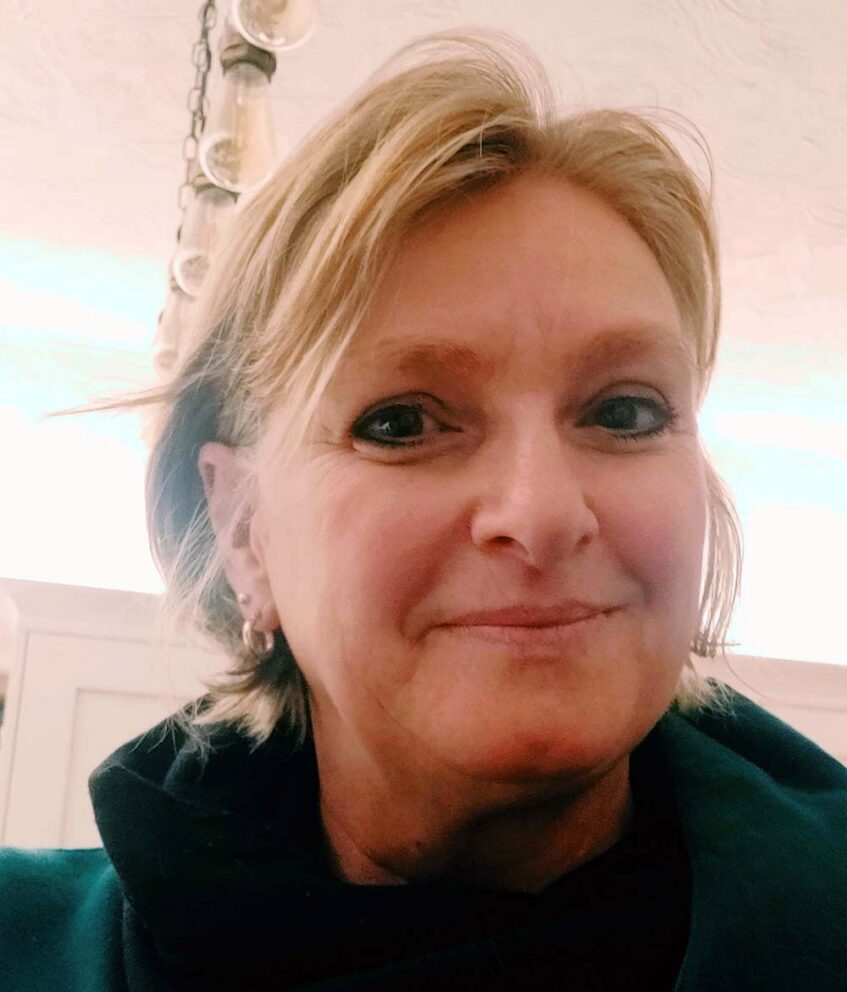
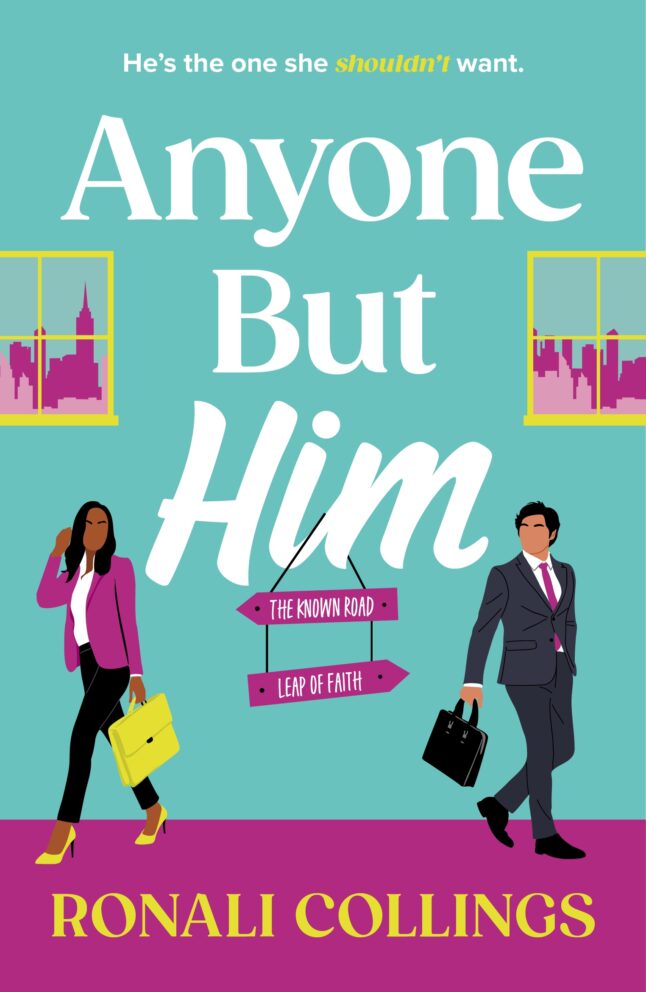
Ronali Collings is a writer of romance, her novels marked by heart, humour and deeply relatable characters too often overlooked on the page. Her latest book Anyone But You (Embla) follows Ingrid, juggling a messy divorce, a demanding job, and her daughter’s needs, all while getting into a messy entanglement with her charming colleague Jacob… We spoke to Ronali about her journey to becoming an author, her love of the romance genre, and her advice for any budding author.
Can you tell us a little more about yourself, your background, and what led you to become a romance author?
I was born in London in the early 1970s to Roman Catholic parents of Sri Lankan heritage with a passion for both writing stories and ballet. I reluctantly went to law school and ended up in a job in finance. Balancing a high-powered job and small children was a challenge and I took voluntary redundancy to be a full-time mum until they became adults. I got to my forties and felt as though I’d lost my identity.

Writing was a way for me to reclaim myself. I drifted towards romance because I’m a hopeless romantic constantly seeking out happy-ever-afters for older women in a world where we’re often overlooked.
Tell us about Ingrid, the protagonist of your latest novel. Who is she, what’s she like, what inspired her and how have you developed her in Anyone But Him?
Ingrid is a second-generation British Asian woman in her mid-forties in a bad marriage, with a young daughter and a demanding job as a partner in an accountancy firm which may or may not bear a resemblance to the one I worked for. She’s a middle child so is a good negotiator and peace maker, but in doing this, she’s always put her needs aside. During the course of the novel, Ingrid finds the courage to finally be the main character in her own life, including her romance with the much younger Jacob.
Women with more life experience have all-too-often been overlooked in literature. How important is it for you to tell stories for characters in mid-life and beyond? And which characters do you look to if any?
I feel that women with more life experience are already represented in literature, but rarely as protagonists. But in reality, older women aren’t side characters in their often complex lives filled with competing responsibilities. Yet we hardly ever read books where we are the main characters. The most consistent feedback I’ve had from readers is the joy they’ve felt at reading about someone they could relate to. I wanted to make women like me, and particularly older women of colour, more visible. An inspiration for me is Olive Kitteridge. Elizabeth Strout expertly captures the essence of an older woman leading a seemingly ordinary life with a rich backstory of a life well lived. Older women are often written off, but there’s a wealth of experience and interest waiting to be mined by storytellers like me.
What was it like going from studying law and working in finance to deciding to take that leap and begin your MA in Creative Writing?
By the time I started my MA, I had been a stay-at-home mum for a few years and as my children became more self-sufficient, I decided it was time to reclaim a little of myself as a person and do something that I’d always wanted to do but never had the courage. I was shocked to get a place on the course, and my first day back at university was utterly terrifying as a 43-year-old woman. But everyone was so lovely, and I was a much better student at 43 than I was at 20!
You explored screenwriting as part of your studies, how has this translated into your novels?
The best lessons I learned in screenwriting was the importance of story beats and how to convey as much information as possible visually. Of course, it’s a different medium, but many of the same lessons apply to novel writing. And readers have told me that my novels are very visual and they could see them work well on screen (ahem, Netflix…). And of course, now I can never watch a movie without dissecting the inciting incident or waiting for that ‘all is lost’ moment right before the end – my family hates me.
What is the one thing you would advise for someone looking to change careers and take that step into writing?
Honestly, changing careers is a big step. Turning writing into a living can be very tough, so I would say, write whenever you can, as much as you can and always remember the reason why you write.